
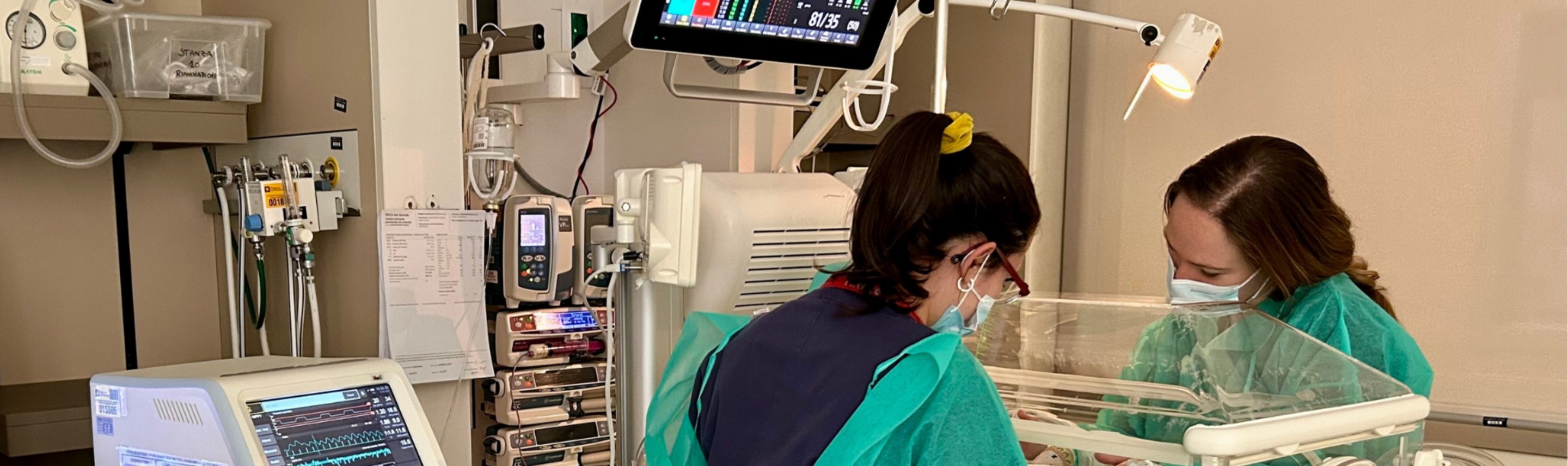
Artificial intelligence applied to the nutrition of preterm infants can improve growth and reduce risks associated with inadequate nutritional intake. This is the finding of a study published in the 'Journal of Perinatology' (Nature Portfolio) by Prof. Simona Ferrante from the Department of Electronics, Information and Bioengineering at Politecnico di Milano, together with researchers Linda Greta Dui and Silvia Riccò.
The research was conducted in collaboration with a team from the IRCCS San Gerardo dei Tintori Foundation and examines the role of AI as a predictive tool for personalizing nutrition in extremely preterm infants.
One of the most delicate phases in the care of very preterm infants is the transition from parenteral (intravenous) to enteral (oral) feeding. This stage is crucial for growth and development, yet fully standardized protocols are currently lacking.
Inadequate nutritional intake can increase the risk of EUGR (Extrauterine Growth Restriction), a condition characterized by impaired postnatal growth and associated with potential short- and long-term complications.
The study examined more than one thousand electronic medical records of extremely preterm infants treated at a single clinical centre. Using machine learning models, the team identified the main factors associated with the risk of EUGR.
The results show that:
- Adequate protein and lipid intake in the first days of life is essential
- Growth rate during the first week is a key indicator
- Different prematurity profiles have different nutritional requirements.
The analysis made it possible to classify patients into different clinical profiles, demonstrating that preterm infants do not have uniform nutritional needs.
The use of artificial intelligence in neonatology therefore paves the way for personalized nutrition strategies, with the goal of:
- Reducing the risk of growth restriction
- Optimizing nutritional intake
- Improving long-term clinical outcomes.
These findings confirm the potential of AI in the medical and perinatal fields, strengthening the role of predictive models in supporting clinical decision-making.