
Speaker: Prof. Conrado Aparicio
7 Maggio 2026 | 16:00
DEIB, Aula BIO1 (Ed. 21)
On line by Webex
Contatti: Prof. Monica Soncini
Sommario
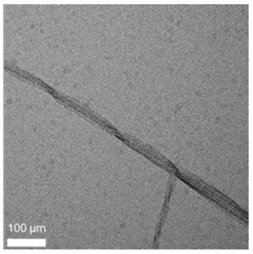
On May 7th, 2026, at 4:00 pm the seminar on "Bioinspired solutions at surfaces and interfaces to prevent transepithelial implant infections" will take place in DEIB BIO1 Room (Building 21).Infections of transepithelial implants, such as dental implants, catheters, or osseointegrated prostheses for amputees are the most prevalent cause of rampant failures for these devices. We have explored bioinspired modification of surfaces of restorative/regenerative materials and implants to address oral infections by harnessing the biomolecular toolbox --oligopeptides, proteins, recombinamers, … and thus, mitigating the worldwide threat of antimicrobial resistance. One of our strategies aimed at exploiting secondary structure and self-assembly of anti- biofilm peptides (Figure) and recombinamers to increase anti-biofilm potency vs relevant oral biofilms and to form highly hydrophobic interfaces to obtain dual-action surfaces to address infection in dental and other transepithelial peri-tisular and peri-implant sites. Alternatively, we have found inspiration in the natural junction at the tooth-oral mucosa interface. Teeth, long-lasting percutaneous organs, feature soft tissue attachment through adhesive structures, hemidesmosomes, in the junctional epithelium basement membrane adjacent to teeth. This soft tissue attachment prevents bacterial infection of the tooth despite the rich – and harsh – microbial composition of the oral cavity. Consequently, we have tapped basement membrane peptides known to engage specific integrins as well as synthesized new bioinstructive photocurable resins that stimulate formation of hemidesmosomes on synthetic and natural surfaces. We recently have also combined those strategies with immunomodulatory regulation to reduce inflammation triggered by pathogenic biofilms causing infection. Surface modification of transepithelial implants with biomolecules represents a versatile, multifunctional, and effective approach to control bacterial colonization and thus, prevent infection.
Click here for the online connection.